 As the global human population continues to grow, the already untenable strain on global fisheries continues, while pollution and climate change further impact the viability of our ocean resources.
 Climate change is real, and its impacts are already being felt by every human on the planet. One way we can take action today is to provide new methods for men and women to choose if and when to have children.
 Ensuring sustainable consumption and production patterns is necessary to ensure the viability of the environment for future generations and the longevity of humanity itself.
 Estimates indicate that the world is confronting the largest wave of urbanization in human history, with an anticipated 5 billion people expected to live in city settings by 2030. This shift to urban settings will add significant additional pressure on critical infrastructures, such as health systems, water, sanitation, and education, that are already struggling to meet the needs of the current urban population.
 Inequality exists in various forms including economic, gender, disability, race, and social inequality. With respect to family planning, inequality is deeply felt with respect to availability of contraceptives in developed versus developing countries, as well as across genders with only limited options available to sperm-producing people.
 Building resilient communities, families, and systems is a crucial part of proactively supporting recovery in times of crisis. Rapid population growth leads to an increased demand for infrastructure systems including housing, schools, and health centers. In the absence of sufficient funding or capacity to respond to these increasing demands, existing resources become strained, making them exceedingly vulnerable in times of crisis and more difficult to rebuild in times of recovery.
 Roughly half the world lives on the equivalent of USD $2 per day. Globally, the unemployment rate exceeds 5%, resulting in nearly 400 million persons going without work or income.However, even those that are employed are not able to escape poverty in many places.
 Approximately 840 million people around the world lack access to electricity with nearly 3 billion people relying primarily on cooking systems that are inefficient and polluting. The use of wood and other fuels contribute to more than 4 million deaths due to household air pollution while also contributing extensively to deforestation and depletion of fossil fuels.
 Access to water and sanitation are human rights, yet billions live without them. Male contraception can reduce unintended pregnancies and population growth, easing water demand the world over and freeing this finite, life-sustaining resource for families everywhere.
 Unintended pregnancies disproportionately disadvantage women and girls, and this disproportionate impact is both a cause and an effect of gender inequality. By increasing choice and access to contraceptive methods, male contraception has the potential to increase gender equality.
 Ensuring access to a complete education is a critical component of combating poverty and improving health and social outcomes. Contraception plays an instrumental part in supporting educational outcomes in two key ways: first by allowing couples to plan and space their children effectively and second by allowing young people to protect themselves from an unintended pregnancy.
 Ensuring healthy lives for all means focusing on how needs vary across populations and life stages. Contraception directly and positively impacts many health indicators, including reducing infant and maternal mortality and improving the health of children.
 Over 2 billion people suffer from food insecurity. Male contraception can help end food insecurity by reducing demand, subsequently improving food access and food stability.
 Unintended pregnancies are a catalyst for poverty. By helping to reduce the number of unintended pregnancies, male contraception can help reduce poverty for millions of families around the world.
 With the global population continuing to grow and men’s options for contraception still limited to condoms and vasectomy, the time is ripe for another contraception revolution¹.
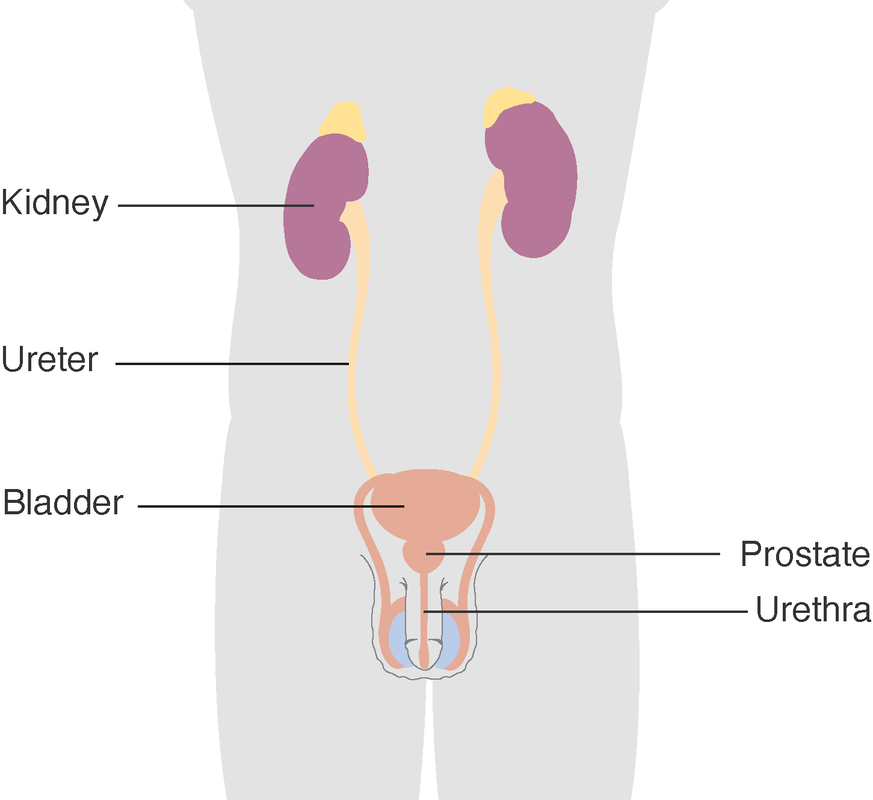 (Image courtesy of Cancer Research UK) Ureters are a component of the urinary system and are thin tubes of muscle that carry urine from the kidneys to the bladder. In a human adult, the ureters are usually 8–12 in long and very small in diameter (~0.15 in).
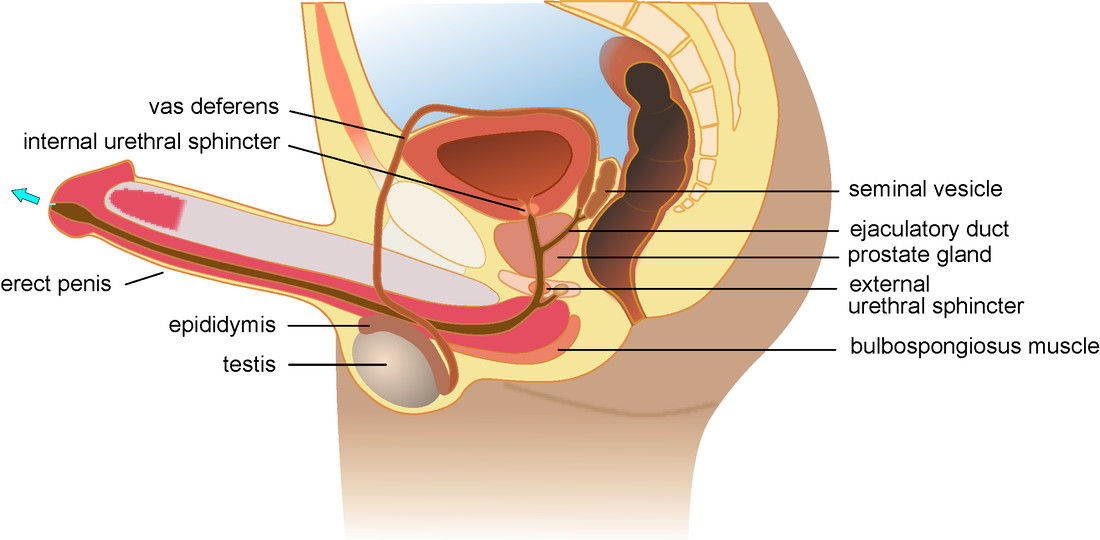 (Image courtesy of Wumingbai) Ejaculation is the discharge of semen from the male reproductive tract as a result of an orgasm. It is the final stage and natural objective of male sexual stimulation, and an essential component of natural conception.
 Puberty is the process in which a human child’s body matures into an adult capable of sexual reproduction. It is initiated by hormonal signals from the brain to the ovaries in females and testes in males, also known as the gonads. In response to these signals, the gonads produce the hormones required for the physiological transformation of the human body, including changes to the sex organs and the stimulation of sexual desire in people (i.e., the libido).
 (Image courtesy of Pixabay) Each year, there are over 120 million unintended pregnancies experienced around the world, while the global population increases by over 80 million people. This constant human population growth has already translated to multiple significant challenges around the world, and will continue contributing to increased ecological degradation, conflict, climate change, natural disasters, global pandemics, and more. It is a reality that negatively impacts all of us. Consider this: unintended teen pregnancies in the United States are estimated to cost American taxpayers over $9 billion annually.
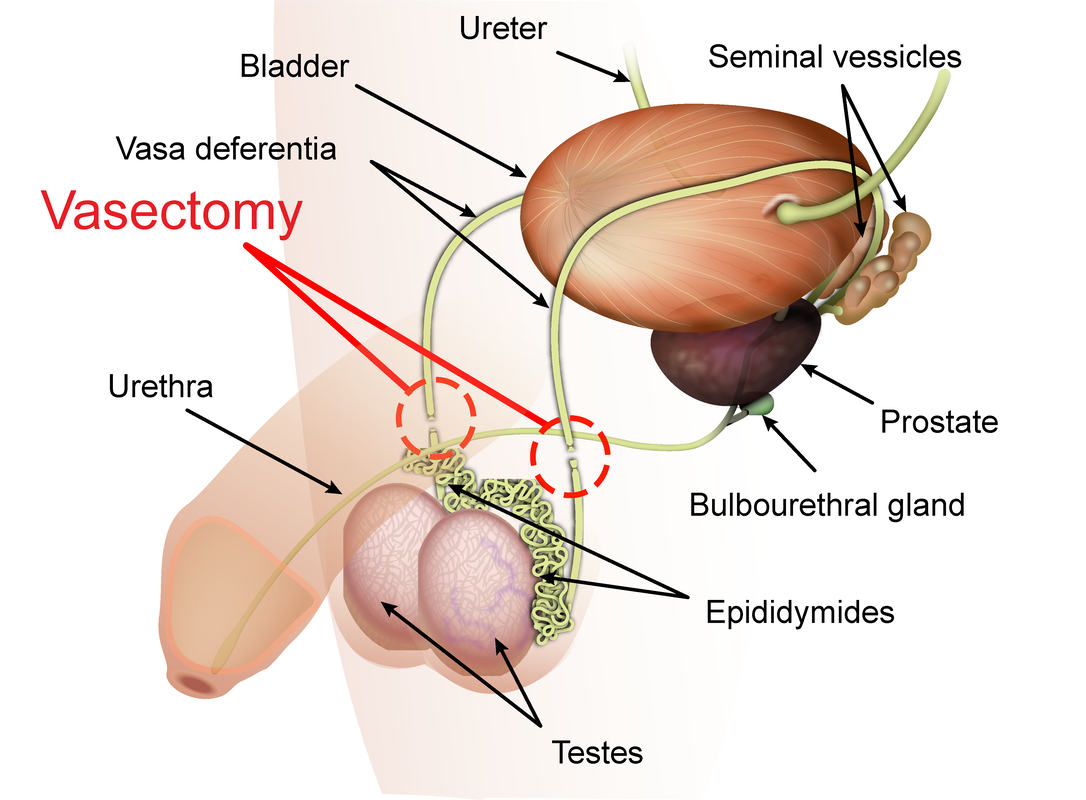 (Image courtesy of K. D. Schroeder) Vasectomy is a surgical procedure for male contraception. It is intended to be a permanent form of contraception and, along with condoms, is one of the only methods of birth control available for men.
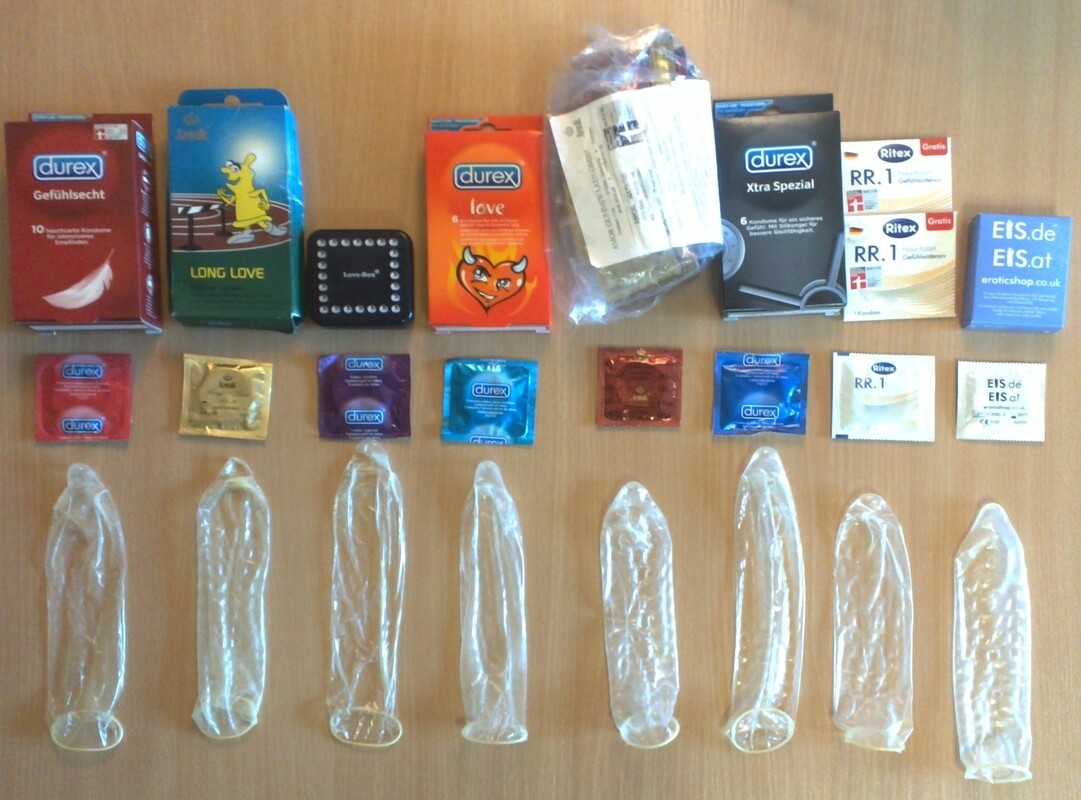 (Image courtesy of Corode) A condom is a barrier device used during sexual intercourse to reduce the probability of pregnancy or a sexually transmitted infection (STI), and there are versions for both male and female users. A barrier device, or barrier method, is something that helps prevent pregnancy by blocking sperm from reaching and subsequently fertilizing the egg.
 (Image courtesy of: DBCLS 統合TV, CC BY 4.0) Mitochondria are known as the powerhouses of the cell as they are responsible for cell respiration (the process which produces energy). Their most prominent function is to generate adenosine triphosphate (ATP), the energy currency of cells.
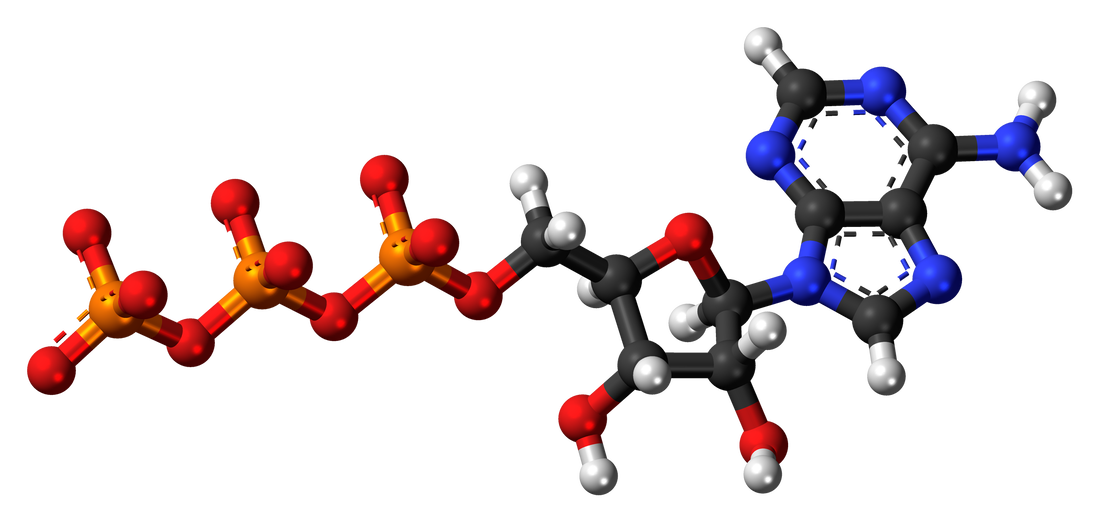 (Image courtesy of Jynto) Adenosine triphosphate (ATP) is the primary energy storage molecule used to activate the reactions needed for growth and reproduction by all living organisms. It is an organic compound consisting of an adenosine molecule bonded to three phosphate groups, and it is present in all living tissue.
 (Image courtesy of Aethyta, Public domain, via Wikimedia Commons) Testosterone is the primary sex hormone in males and is responsible for the development of male reproductive tissues (e.g., the testes and the prostate), as well as secondary sexual characteristics such as increased muscle mass and the growth of body hair. It is found in men and women, and is integral in regulating health and well-being, including maintaining bone mass.
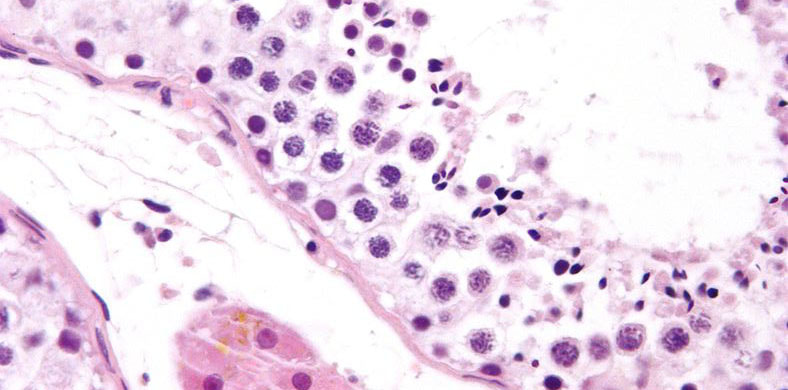 (Image courtesy of Nephron, CC BY-SA 3.0) Seminiferous Tubules are located in the testicles, the two oval-shaped organs on either side of a male’s penis. There are around 800 seminiferous tubules in each testicle, and this is where meiosis and subsequent development of spermatozoa occurs. In a mature adult male, each of these tubules creates thousands of sperm every second.
|
Categories
All
Archives
April 2024
|
 RSS Feed
|
|
Donate to Male Contraceptive InitiativeYour generous donation makes a difference!
|

|
© Male Contraceptive Initiative. All rights reserved.