MCI has provided over $10 million in support of non-hormonal, reversible male contraceptive research and development to date.
Beginning with our first grant in 2017, Male Contraceptive Initiative has sought to meaningfully advance the research and development work in the field of male contraception. Through these efforts, we have helped ensure the body of knowledge around male contraception not only grows, but is readily available to the present and future research community. On this page, we highlight our past grants and the researchers they supported.
Completed Awards
MCI has provided funding support to the non-hormonal, reversible male contraception research community since 2017. In this section, we share details about our past awardees who have completed the projects that MCI supported. Please click on any of the images to be directed to each awardee's profile page in order to learn more.
|
|

|

|

|

|
|
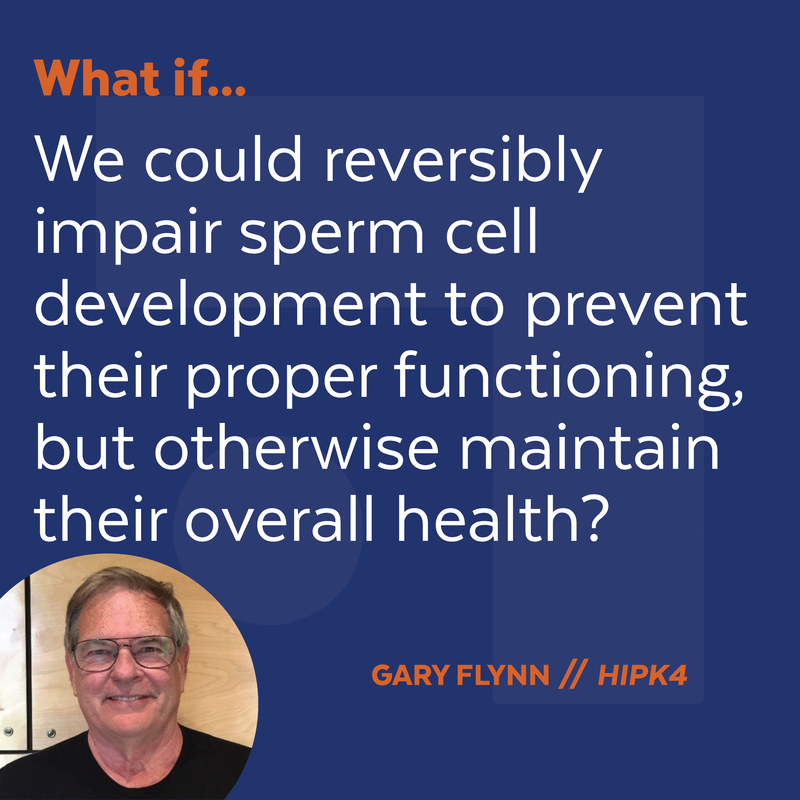
|
Completed Fellowships
Aaron Crapster
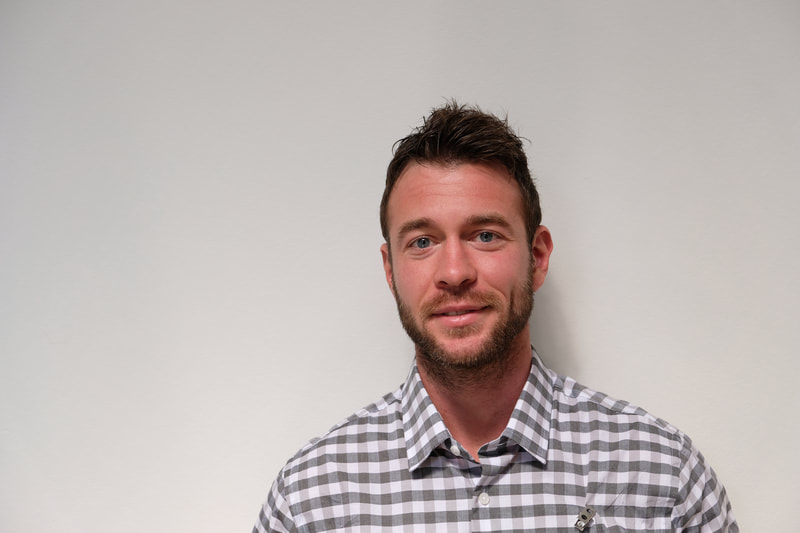
|
Aaron Crapster, PhDAaron was recently a postdoctoral researcher in Palo Alto, California working at Stanford University. His research was on HIPK4, a novel protein kinase expressed in the testes. Aaron is trying to understand the roles of HIPK4 in sperm development and function with the aim of understanding more about the protein as a target for contraception. MCI’s Fellowship Program not only allowed Aaron to focus on a contraceptive project, but allowed him to publish his work and move on to a career at Vibliome Therapeutics – continuing his contraceptive focus. Read more about Aaron’s work here.
Publications HIPK4 is Essential for Murine Spermiogenesis J Aaron Crapster, Paul G Rack, Zane J Hellmann, Austen D Le, Christopher M Adams, Ryan D Leib, Joshua E Elias, John Perrino, Barry Behr, Yanfeng Li, Jennifer Lin, Hong Zeng, James K Chen. 'HIPK4 is Essential for Murine Spermiogenesis,' eLife 2020 MCI Grantee & Fellow Conversations: Aaron Crapster on Funding Male Contraception R&D
|
Liliya Gabalev
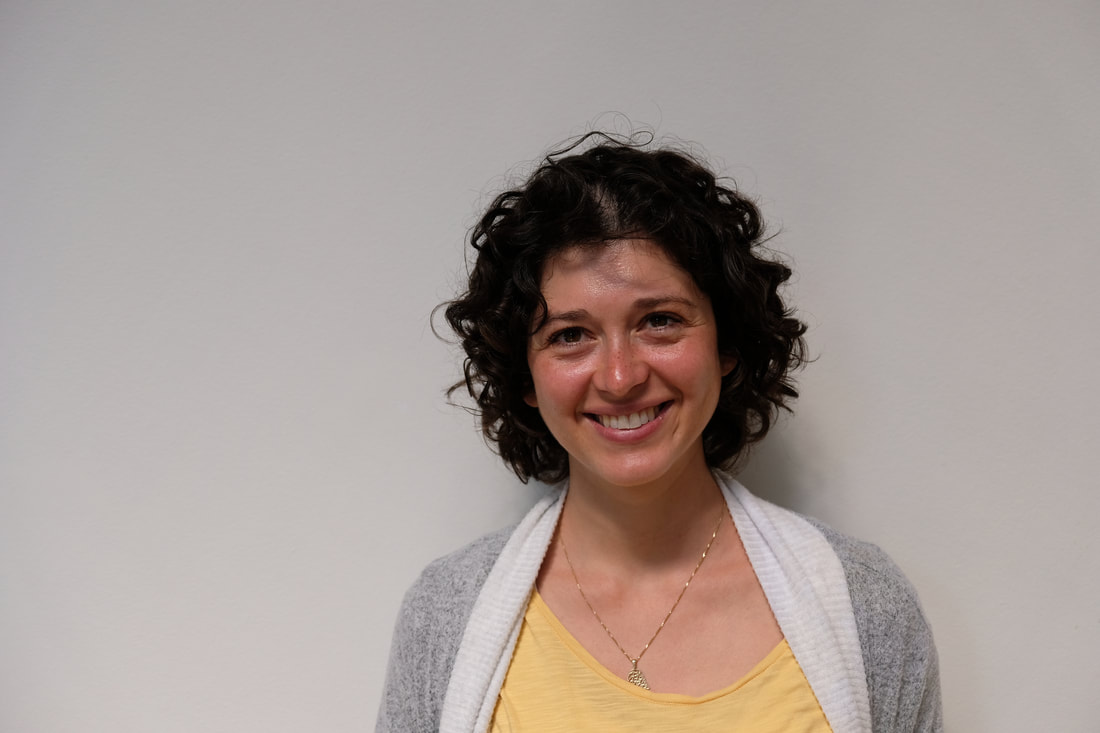
|
Liliya GabalevAs a graduate student at Berkeley, Liliya works in the Lishko Lab on sperm motility. Her project is seeking to develop ANT4 as a male contraceptive. ANT4 is involved in the transport of energy in mature sperm cells and is required for them to swim. Liliya’s work is looking for interesting ways of shutting down ANT4, and making spermatozoa nonmotile. With MCI’s support, Liliya has funding to grow her career and investigate an exciting project.
Publications The Impact of Di-2-Ethylhexyl Phthalate on Sperm Fertility Liliya Gabelev Khasin, John Della Rosa, Natalie Petersen, Jacob Moeller, Lance J. Kriegsfeld, and Polina V. Lishko, ‘The Impact of Di-2-Ethylhexyl Phthalate on Sperm Fertility,’ Frontiers in Cell and Developmental Biology, 2020, |
Max Lyon

|
Max LyonMax is a graduate student in the lab of Celia Santi at WashU in St. Louis. His project is on SLO3, a protein in sperm required for capacitation and fertilization. In a collaborative project across institutions and fields, Max is testing inhibitors of SLO3 and making spermatozoa nonmotile. With MCI’s support, Max has the funding to focus on the science, publish his work, and build a career.
MCI Grantee & Fellow Conversations: Max Lyon
Publications
A selective inhibitor of the sperm-specific potassium channel SLO3 impairs human sperm function. Lyon M, Li P, Ferreira JJ, Lazarenko RM, Kharade SV, Kramer M, McClenahan SJ, Days E, Bauer JA, Spitznagel BD, Weaver CD, Borrego Alvarez A, Puga Molina LC, Lybaert P, Khambekar S, Liu A, Lindsley CW, Denton J, Santi CM. Proc Natl Acad Sci U S A. 2023 Jan 24;120(4):e2212338120. doi: 10.1073/pnas.2212338120. Epub 2023 Jan 17. PMID: 36649421. |
Jae Yeon Hwang
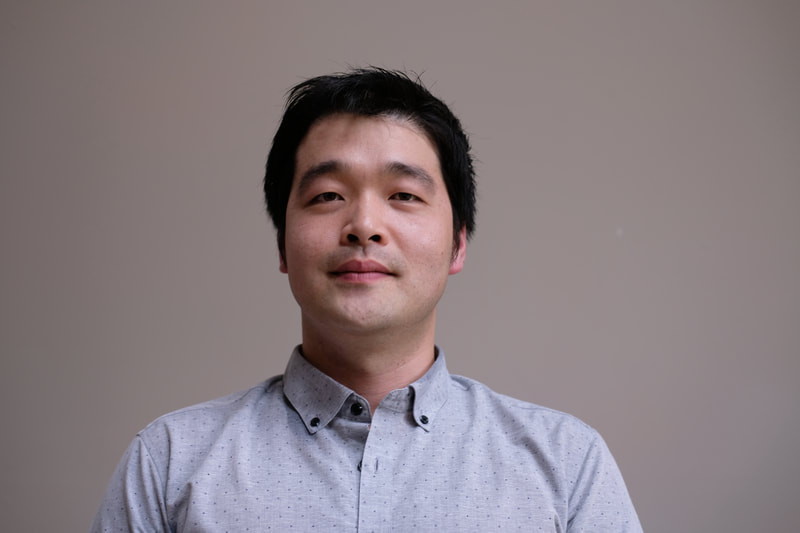
|
Jae Yeon Hwang, PhDJae Yeon is a postdoctoral researcher in the lab of Jean-Ju Chung at Yale. He’s working on CatSper, one of the most interesting, but stymieing contraceptive targets. CatSper is required for male fertility, but is difficult to study because of its complexity. Jae Yeon is developing a new screening platform that makes it easier to develop drugs for CatSper. With MCI’s support, he can push this target closer to the main stage.
Publications C2cd6-encoded CatSperτ targets sperm calcium channel to Ca2+ signaling domains in the flagellar membrane Jae Yeon Hwang, Huafeng Wang, Yonggang Lu, Masahito Ikawa, Jean-Ju Chung 3D in situ imaging of the female reproductive tract reveals molecular signatures of fertilizing spermatozoa in mice Lukas Ded, Jae Yeon Hwang, Kiyoshi Miki, Huanan F Shi, Jean-Ju Chung. '3D in situ imaging of the female reproductive tract reveals molecular signatures of fertilizing spermatozoa in mice,' eLife, 2020 MCI Grantee & Fellow Conversations: Jae Yeon Hwang
|
Melanie Balbach

|
Melanie Balbach, PhDMelanie is a postdoctoral researcher at Weill Cornell in New York City working on soluble adenylyl cyclase (sAC), a protein essential for sperm motility and capacitation. Melanie is working across disciplines to develop an inhibitor of sAC that could be used as a contraceptive. MCI’s Fellowship Program allows her to collaborate with unique partnerships and gain new skills in drug development, all within the realm of male contraception.
Publications On-demand male contraception via acute inhibition of soluble adenylyl cyclase. Balbach, M., Rossetti, T., Ferreira, J. et al. On-demand male contraception via acute inhibition of soluble adenylyl cyclase. Nat Commun 14, 637 (2023). https://doi.org/10.1038/s41467-023-36119-6 Optimization of Lead Compounds Into On-Demand, Non-Hormonal Contraceptives: Leveraging a Public-Private Drug Discovery Institute Collaboration Balbach, Melanie, Makoto Fushimi, David J Huggins, Clemens Steegborn, Peter T Meinke, Lonny R Levin, et al., ‘Optimization of Lead Compounds into On-Demand, Nonhormonal Contraceptives: Leveraging a Public–Private Drug Discovery Institute Collaboration†’, Biology of Reproduction, 2020. MCI Grantee & Fellow Conversations: Melanie Balbach, PhD
|
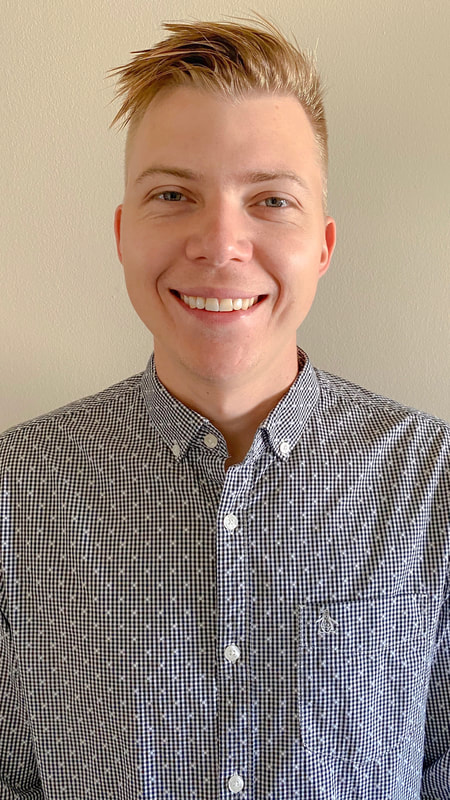
Oleksandr Kirsanov
|
Oleksandr KirsanovOleksandr is a PhD candidate in the Geyer laboratory at the Brody School of Medicine at East Carolina University in Greenville, North Carolina. His work is focused on defining the mechanisms underlying spermatogonial differentiation and meiotic initiation. Using a novel transgenic mouse model, Oleksandr is isolating large pure populations of spermatogonia at each stage of their development and employing broad-based ‘omics technologies to define the transcriptome, translatome, and proteome during this understudied phase of male germ cell development. His goal is to identify specific molecular contraceptive targets for drug design in differentiating spermatogonia and preleptotene spermatocytes, which both reside outside the blood-testis-barrier. MCI’s support enabled him to complete these exciting studies and prepare for a career in the reproductive sciences after graduate school.
MCI Grantee & Fellow Conversations: Oleksandr" Sasha" Kirsanov
|
For Grant & Fellowship Seekers
Current funding and fellowship opportunities from Male Contraceptive Initiative and others are available on our Funding Opportunities page.